
Using Aversion in Hypnosis: A Powerful Tool for Lasting Change
To work with Hypnotist, David Barron, visit NewHampshireHypnosis.com or call (603)589-8033.
Hypnosis via Zoom is a available.
Hypnosis is one of the most remarkable tools we have for creating profound shifts in how people think, feel, and behave. When a person enters that deeply focused state, their subconscious mind becomes remarkably open to suggestion. This is where real transformation happens.
Today, I want to talk about a specific technique within hypnosis that, while not for everyone, can produce astonishing results when used correctly and ethically. It is called aversion.
🧠 What Aversion Actually Is
Aversion in hypnosis involves associating a deeply uncomfortable feeling with a behavior that a person wants to eliminate. Think of it as teaching the subconscious mind to recoil from something harmful.
I want to be clear from the start. I rarely use this technique. Many hypnotists make it their bread and butter, but I typically prefer a different path. I find greater personal reward in helping someone create such a positive, enjoyable feeling about themselves that the unwanted behavior simply cannot coexist with it. The outcome is the same. The direction is different.
Learn Hypnosis
But there are moments when aversion is exactly the right tool. I have had clients explicitly ask for it. One said, “I just want you to make me feel absolutely disgusted by smoking.” Another, a man who struggled with skin picking, agreed after a careful conversation that linking intense negative associations to the act could help him stop.
🔬 Real Situations Where Aversion Shines
Smoking Cessation
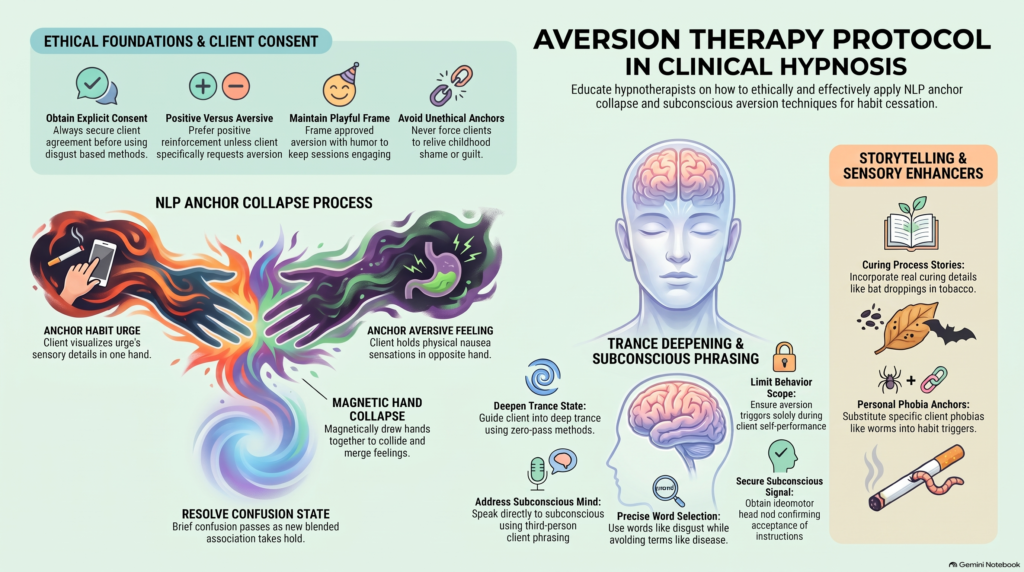
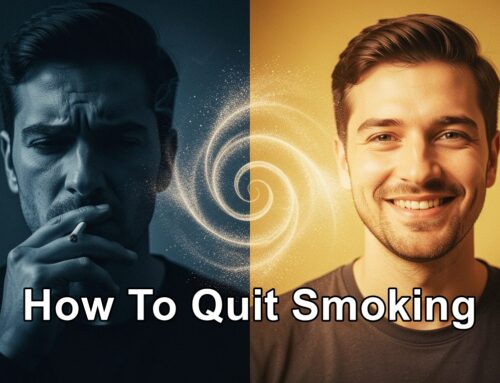
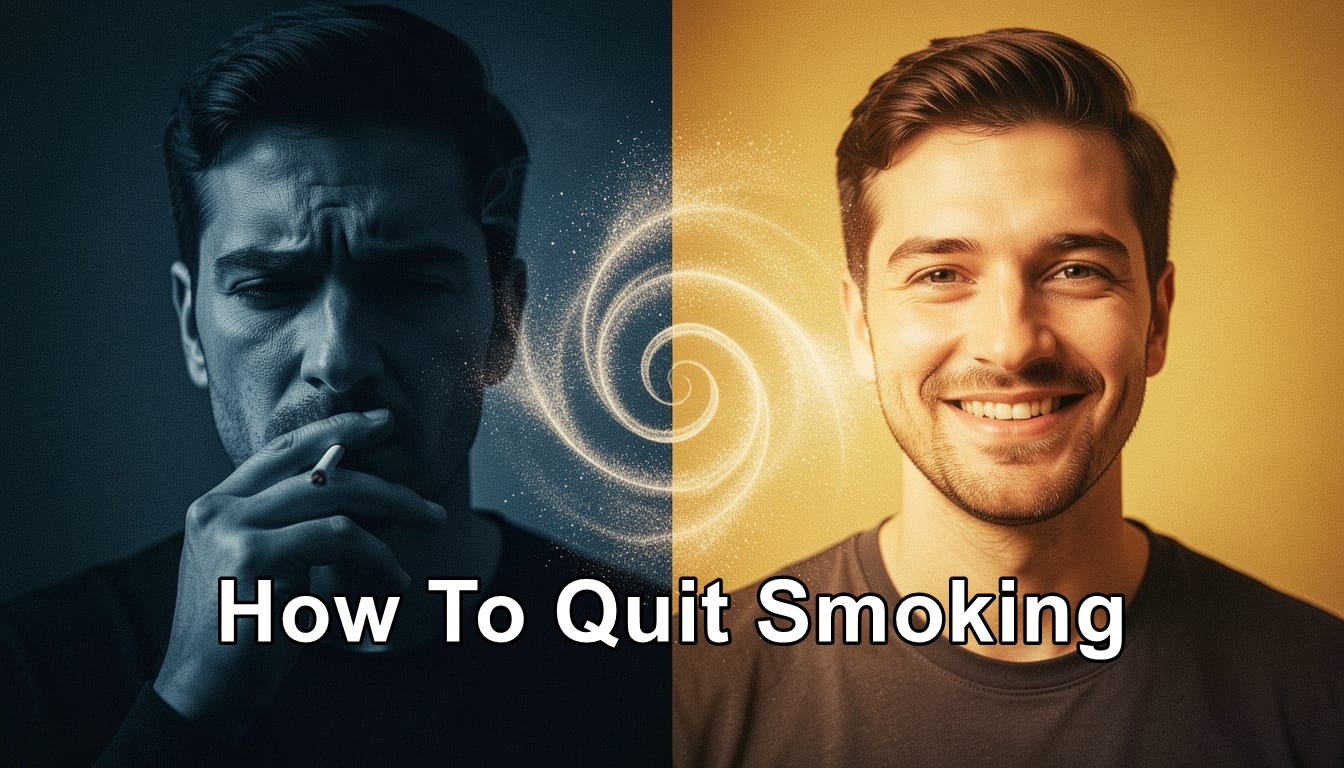
This is the classic application. A hypnotist guides the client to vividly recall the physical sensation of nausea, that knot in the stomach, the rising urge to vomit. That feeling is then mentally placed in one hand. In the other hand, the client holds the urge to smoke, complete with its texture, warmth, and color.
Through a carefully guided process, the two hands are brought together. The feelings collide and merge. The result? Every time the person considers a cigarette, that wave of disgust returns. They stop. The behavior loses its power.
Skin Picking and Body-Focused Habits
I worked with a client who picked at his face. After discussing it thoroughly and ensuring he understood and agreed, we used the same anchor collapse technique. The urge to pick was linked to a powerful sense of revulsion. He reported afterward that simply reaching toward a blemish triggered an immediate, uncomfortable jolt that stopped him in his tracks.
Unique Personal Associations
One client mentioned he hated worms. They grossed him out completely. For his smoking cessation session, we built the aversion around that specific image. He would bring a cigarette to his lips and his mind would flash to a worm. We will see how it works, but the personalization makes the response far more potent.
⚠️ The Ethical Foundation
This is where many hypnotists fall short. They do not ask for permission.
I strongly encourage you to have a direct conversation. Ask the person if they want to make that habit the most disgusting, gross, and nauseating thought they can imagine. If they agree, then you have full consent to proceed with confidence.
Once they agree, make it fun. Let them know you are about to do all the wild things hypnotists enjoy doing. Get a little wild-eyed. Make sure they are laughing. Then do the work.
🛡️ Careful Languaging Matters
Precision in language is everything. When I give suggestions to the subconscious mind, I use words like disgust, unease, and nausea. I deliberately avoid the word “disease.” It sounds too close to a real medical condition and carries unwanted weight.
I also specify that the aversion applies only to the person’s own behavior. Seeing someone else smoke should not trigger disgust. Smoking is what other people do. It is not what you do anymore. That distinction protects the client from awkward social situations.
🌟 The Broader Power of Hypnosis
Aversion is just one tool. The broader truth is that hypnosis itself is extraordinarily effective at helping people create profound states of mind, whether positive or negative, so that the experience feels utterly real in the moment.
Research continues to support this. A systematic review found that two-thirds of well-designed studies report a positive impact of hypnotherapy for smoking cessation, with multi-session interventions showing greater effectiveness . Hypnosis has also demonstrated success in reducing hot flashes by up to 60 percent , and it is widely recognized as helpful for pain, stress, and anxiety .
The key is understanding that hypnosis is not magic. It is a focused state of attention that allows a person to approach an old problem from a completely new perspective . When used skillfully and ethically, the results can be life-changing.
📚 Relevant Resources
Mayo Clinic on Hypnosis: Reliable overview of clinical applications and what to expect. https://www.mayoclinic.org/tests-procedures/hypnosis/about/pac-20394405
CDC Quit Smoking Resources: Practical, evidence-based support for anyone ready to stop smoking. https://www.cdc.gov/tobacco/quit_smoking/index.htm
The TLC Foundation for BFRBs: Resources for skin picking and related behaviors. https://www.bfrb.org
WebMD on Hypnosis Benefits: Accessible summary of what hypnosis can help with. https://www.webmd.com/mental-health/mental-health-hypnotherapy
🏷️ Hashtags
#Hypnosis #Hypnotherapy #AversionTherapy #SmokingCessation #HabitChange #SubconsciousMind #MindBodyConnection #ClinicalHypnosis #StopSmoking #BFRB

Leave A Comment
You must be logged in to post a comment.