
🧠 Transform Your Conversations by “Installing” Emotions
Have you ever wished you could connect more deeply with people? 🤔 Imagine being able to help someone feel truly understood, focused, and present in just a few sentences. Hypnosis offers powerful tools for creating these meaningful connections, and you don’t need a swinging pocket watch or a dark room to do it.
✨ The Magic of Conversational Hypnosis
Recent discussions in the hypnosis community have revealed simple yet profound techniques that anyone can learn. These methods work by speaking to the subconscious mind through everyday conversation. The beauty of this approach is that it feels completely natural to the person you’re speaking with.
Hypnosis has long been recognised for its incredible benefits, including reducing stress, breaking unwanted habits, and building confidence. Now we can add emotional connection to that impressive list. 🌟
🔑 Three Steps to Powerful Connections
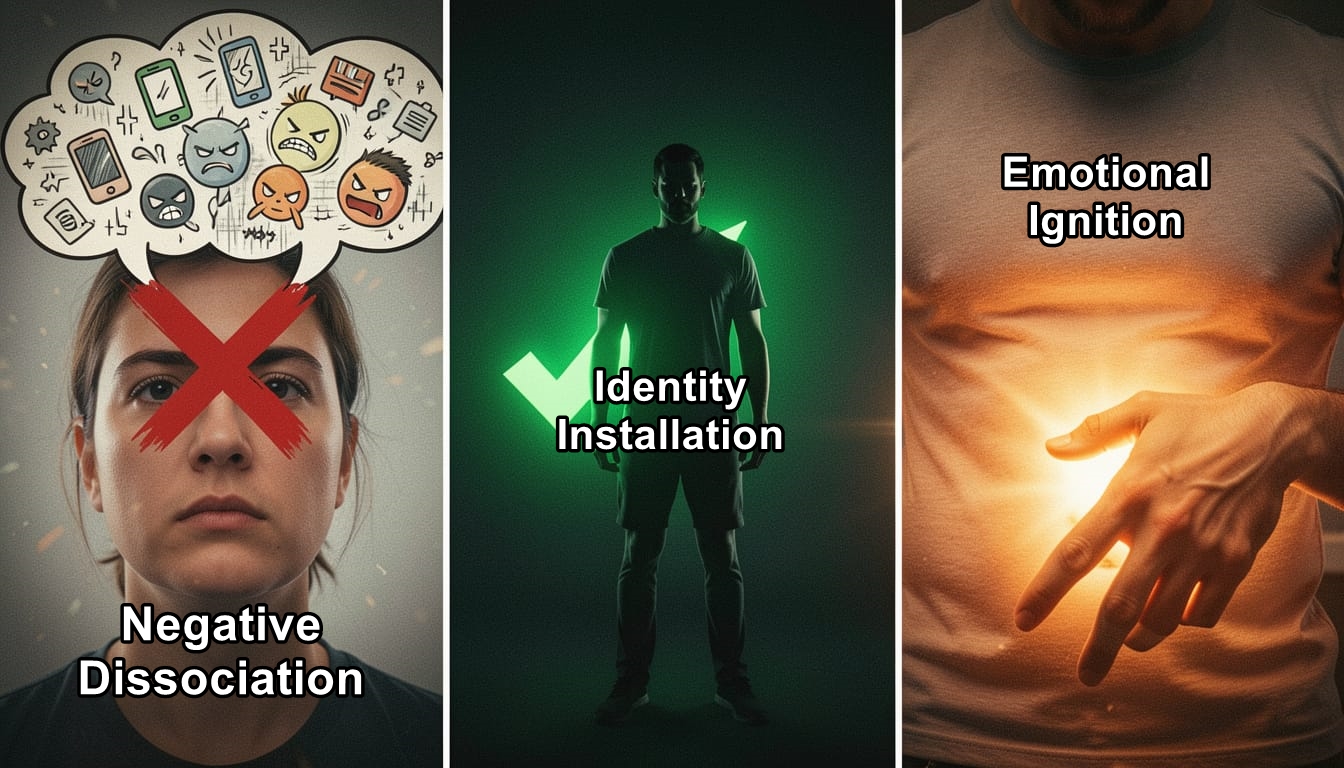
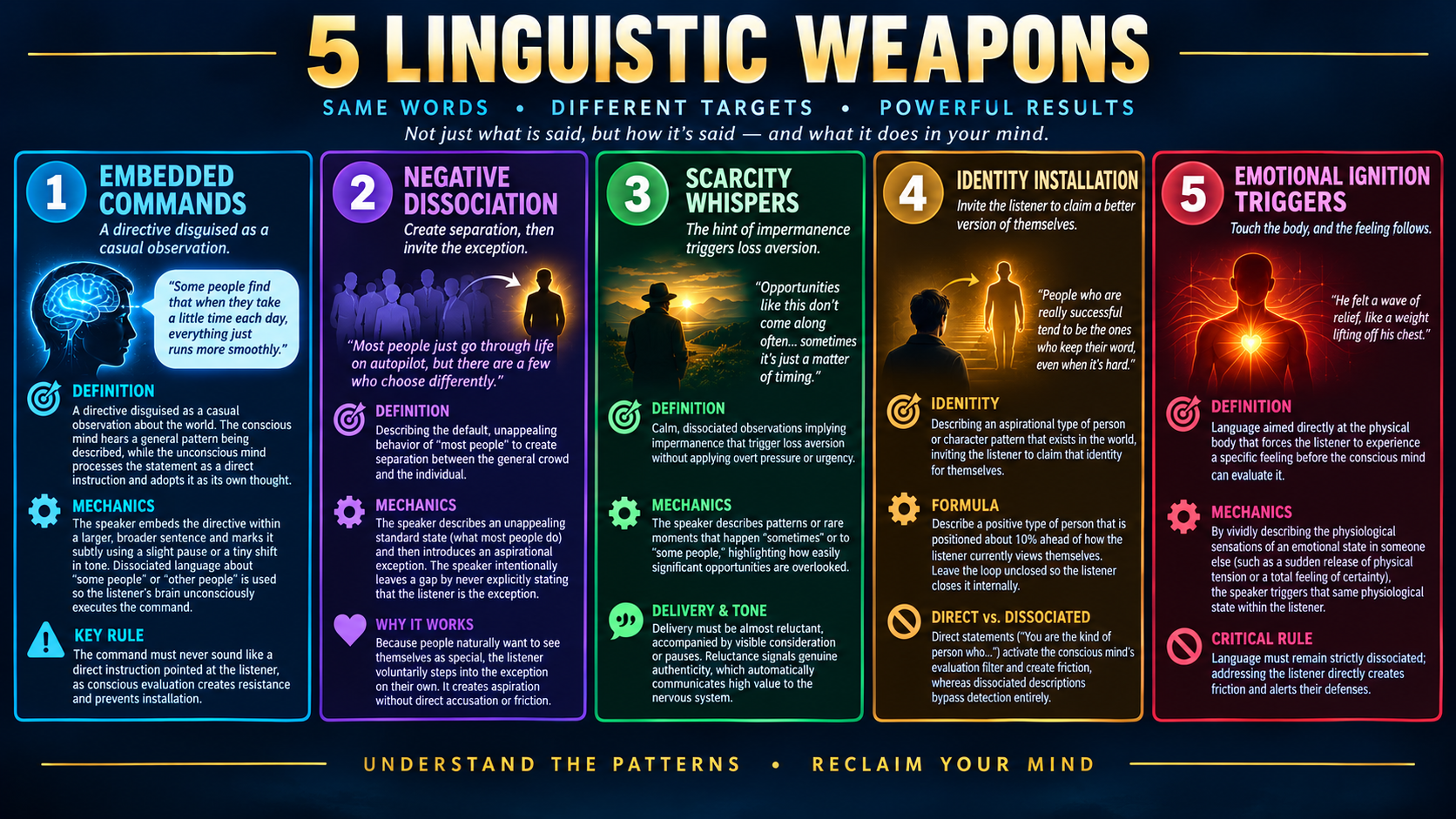
A fascinating technique called the Emotional Install combines three simple steps:
🗣️ Step 1: Negative Dissociation
This involves describing a common negative behaviour you see in the world. For example: “Have you noticed how many people are so distracted by their phones that they miss what’s happening right in front of them?”
🌱 Step 2: Identity Installation
Next, you describe the positive alternative: “But occasionally you meet someone who is completely present and really focuses on the person they’re with.”
💖 Step 3: Emotional Installation
Finally, you describe the feeling this creates: “You can see it in their eyes. Everything softens and there’s this incredible sense of connection. It’s like time stops for just a moment.”
What makes this work is that you never directly tell the person they have these qualities. You simply describe what you’ve observed in other people. The listener naturally identifies with the positive traits and feels the emotion you’ve described. 🎯
🌍 Real World Examples
A hypnosis practitioner recently used this technique with a grocery store checkout worker. He noticed how many customers treat staff like automated machines, barely acknowledging them. When he mentioned this observation, the worker eagerly agreed and started sharing stories about customers who connected with her.
The practitioner then described the feeling of genuine human connection. You could see the worker’s whole demeanor change as she engaged with the conversation. This wasn’t manipulation. It was simply giving someone permission to feel valued and present. 💫
💪 Hypnosis Works in Everyday Life
Hypnosis isn’t just for therapy sessions. These conversational techniques work in sales, customer service, leadership, and personal relationships. The benefits include:
🤝 Deeper connections with colleagues and friends
🏆 Increased trust in professional relationships
💬 Better communication with family members
👔 Greater influence in leadership roles
❤️ Enhanced empathy and understanding
📝 Practical Tips for Success
If you want to try these techniques, start small. Begin with a simple observation about something you’ve noticed in the world. Let the other person share their thoughts. Then gradually introduce the positive alternative and the emotional description.
For example, if you’re selling a product, you might say: “Some people find it really hard to make decisions. They just keep going back and forth. But occasionally you meet someone who just knows what they want. It clicks. There’s this beautiful moment when they feel certain and everything falls into place.” ✨
Notice you’re not telling them they’re indecisive. You’re simply describing other people. The listener gets to decide which description fits them.
🧪 Why This Technique Is So Effective

Our brains are wired to compare ourselves to others. When you describe a negative trait, most people automatically think “That’s not me.” When you describe a positive trait, they think “Yes, that’s who I am.” 🧠
The emotional description at the end helps cement this identity. By describing the feeling, you actually help create that feeling in the listener. This is why hypnosis is such a powerful tool for transformation.
❓ Common Questions
Many people worry that others will figure out what they’re doing. But these conversations are completely natural. You could film them and nobody would realise any technique was being used. 📹
Start with people you already know. Make your observations casual and conversational. Frame things as questions rather than statements to keep the conversation flowing.
🔬 The Science Behind Hypnosis
Research consistently shows that hypnosis creates measurable changes in the brain. It reduces activity in the analytical part of the mind and increases receptivity to positive suggestions. This is why hypnotic techniques work so well for everything from pain management to performance enhancement. 📊
The Emotional Install technique builds on this science by creating an emotional anchor. When people feel an emotion, they remember the experience more deeply and are more likely to adopt the associated beliefs.
📚 Where to Learn More
If you’re interested in developing these skills further, consider exploring clinical hypnosis training or attending workshops on conversational influence. Many resources are available online, including guided sessions and educational materials.
Remember that hypnosis is a tool for positive change. When used ethically, it helps people become their best selves and build stronger relationships. 🌈
🚀 Your Next Step
This week, try making an observation about something you notice in the world. Be curious about how people respond. Pay attention to what happens when you describe a positive alternative.
These simple shifts can transform your conversations and relationships. The more you practice, the more natural it becomes. 💪
📖 Resources
🔗 The Hypnosis Network – Professional training and certification
🔗 American Society of Clinical Hypnosis – Evidence-based hypnosis resources
🔗 International Hypnosis Association – Community and educational materials
🏷️ Hashtags
#HypnosisWorks #ConversationalHypnosis #EmotionalIntelligence #MindsetShift #PersonalGrowth #InfluenceTechniques #PositivePsychology #HypnosisTraining #SubconsciousMind #SelfImprovement









Leave A Comment
You must be logged in to post a comment.